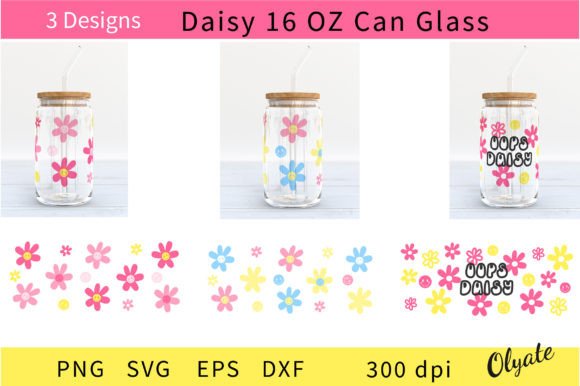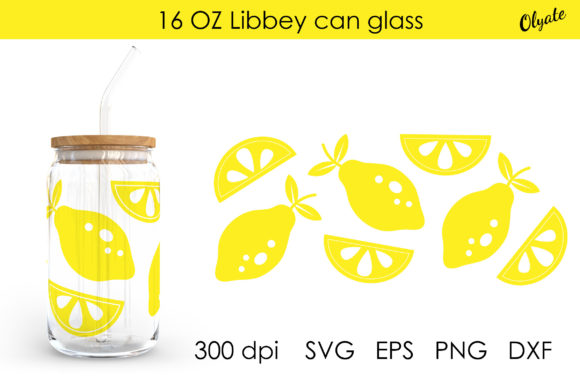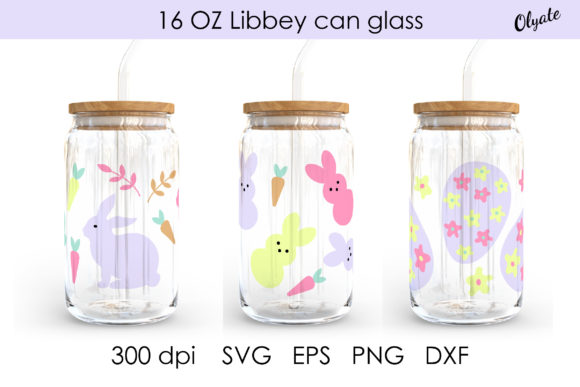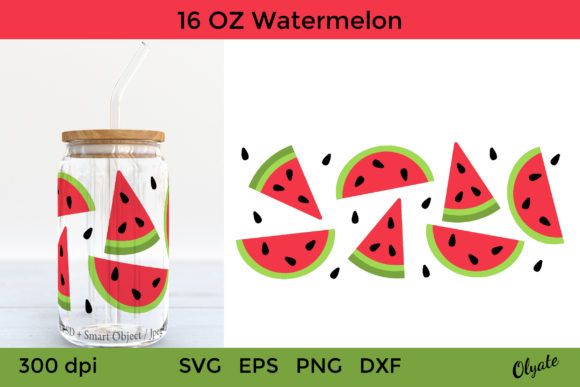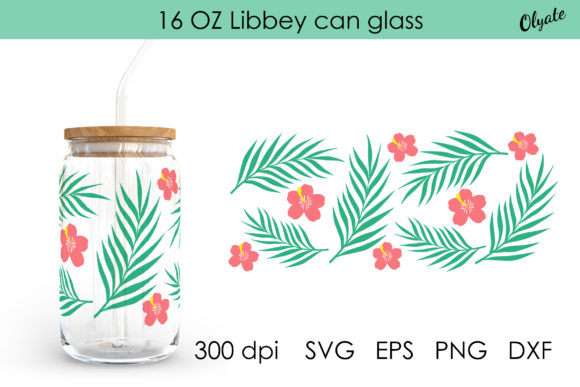
Tropical Libbey Can Glass. 16 OZ Can
First Impressions: Bright, Bold, and Built for Summer Vibes
When I opened the Tropical Libbey Can Glass. 16 OZ Can embroidery file bundle, my immediate thought wasn’t “cute” — it was “ready to ship.” The design carries that effortless island energy: clean lines, balanced negative space, and a confident tropical motif that avoids clutter. It’s not overly detailed — no tiny fronds or micro-textures that’ll vanish under satin stitch — but it’s also not so simplified that it feels generic. As a designer who’s stitched hundreds of custom totes and boutique sweatshirts, I appreciate how this layout naturally guides the eye: centered composition, clear silhouette, and just enough visual weight to hold up on both light and dark fabric.
Real-World Test: Stitching It on a Linen Tea Towel for a Local Café Pop-Up
Last week, I used Tropical Libbey Can Glass. 16 OZ Can to embroider a set of kitchen towels for a small-batch café launching its summer menu. We chose medium-weight natural linen — a beautiful but tricky fabric for embroidery due to its slight looseness and visible weave. With proper cutaway stabilizer and a moderate stitch density, the design held beautifully. The curves of the can shape stayed smooth, and the tropical accents (think stylized palm leaves or citrus motifs — whatever the design includes) read clearly without bleeding or distortion. Customers loved the handmade charm, and several asked where they could order matching napkins or aprons. That’s the sign of a design that works beyond decoration — it supports storytelling and brand warmth.
Where This Embroidery File Truly Shines
- Custom apparel: Works especially well on relaxed-fit sweatshirts and structured tote bags — the scale reads cleanly at 3.5"–4.5", which fits standard hoop sizes without cramming.
- Baby embroidery & nursery decor: Its cheerful, non-gendered tropical theme makes it ideal for onesies, bibs, and pillow covers — just confirm thread safety if stitching for infants.
- Holiday and personalized gifts: Swap thread colors to match Christmas green, Easter pastels, or wedding neutrals — the design’s simplicity makes recoloring intuitive.
- Etsy seller & small shop product: As a digital embroidery file, it pairs perfectly with printable mockups. I dropped it into a flat-lay mockup of a ceramic mug and a canvas bag — instantly elevated the listing’s perceived value.
- Commercial embroidery projects: Clean vector-based files (EPS, SVG, DXF) mean easy scaling for caps or larger patches — though always verify proportions before digitizing for curved surfaces like baseball hats.
Use With Care: Situations That Demand Extra Attention
Tropical Libbey Can Glass. 16 OZ Can is versatile, but it’s not magic. Here’s where I slow down:
- Thin or stretchy fabric: On lightweight cotton voile or ribbed knit, use tear-away + topping to prevent puckering — especially around any outlined elements or tight curves.
- Dark fabric backgrounds: Test thread contrast first. Light yellow or white thread may disappear on charcoal; try ecru or soft sage instead for better definition.
- Small hoop sizes (under 4"): If resizing down below 3", inspect fine details closely — some tropical accents may lose legibility. Simplify or omit minor elements if needed.
- Frequent-wash items: For kitchen towels or baby items, double-check stitch density. Overly dense fill areas can stiffen fabric over time — a light fill stitch or strategic satin stitch accents often strike the right balance.
- Layered garments (like hoodies): Hoop carefully — avoid stitching directly over seams or thick pockets unless you’ve tested tension and clearance on scrap first.
What It Adds to Your Finished Product — Beyond Just Looks
This isn’t just another machine embroidery design. Used intentionally, Tropical Libbey Can Glass. 16 OZ Can lifts the perceived professionalism of your handmade product. Customers notice when embroidery sits flat, aligns cleanly, and feels intentional — not rushed or pixelated. That translates directly to trust. When someone sees this on a personalized gift or boutique item, they don’t think “generic clip art.” They think “thoughtfully made.” It also reinforces brand consistency for craft businesses: whether you’re selling embroidered aprons or digital embroidery files on Etsy, having a cohesive, high-quality design like this builds recognition across your catalog.
Practical Designer Notes Before You Stitch
- Always test Tropical Libbey Can Glass. 16 OZ Can on scrap fabric — same type and layering as your final project.
- Check thread color contrast in both natural and artificial light — what reads well on screen may fade on dark fabric.
- Review stitch density: if the design feels heavy or rigid after stitching, consider reducing fill density by 5–10% in your embroidery software.
- Confirm hoop size compatibility — especially if using older machines or multi-position hoops.
- Inspect small details at actual stitch size: zoom in on your embroidery software preview, then check the PNG on transparent background at 100% zoom.
- Test black-and-white mockups — many buyers browse in grayscale mode or print listings; clarity must hold without color cues.
- Use appropriate stabilizer: cutaway for knits, tear-away for stable wovens, and fusible + topping for textured fabrics like terry cloth.
- Verify licensing terms before selling finished embroidered items or reselling the digital embroidery file — this is critical for Etsy sellers and craft business owners.
A Design That Fits — Not Just the Hoop, But the Moment
Tropical Libbey Can Glass. 16 OZ Can doesn’t shout. It invites. It fits naturally into warm, human-centered projects — the kind people keep, gift, and photograph. Whether you’re building a craft business, stocking a holiday market booth, or creating one-of-a-kind personalized gifts, this embroidery file earns its place in your design assets library. It’s reliable, adaptable, and quietly professional — exactly what seasoned designers look for in a Graphics category staple.