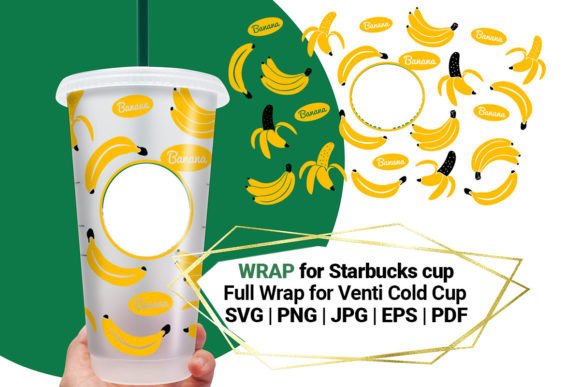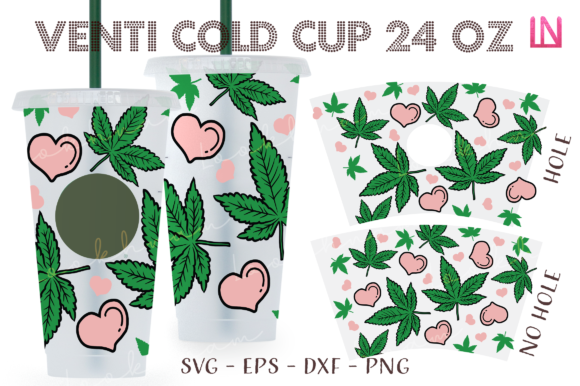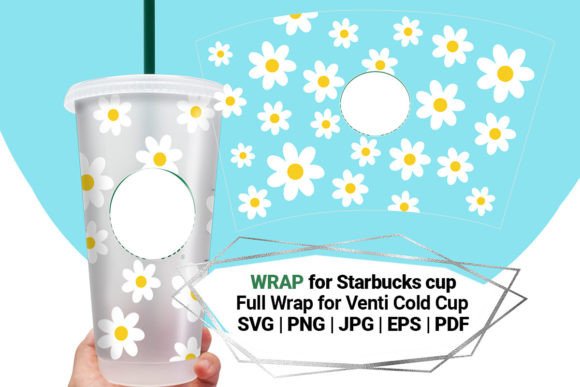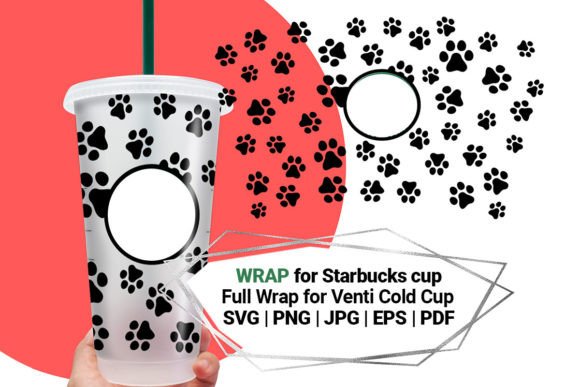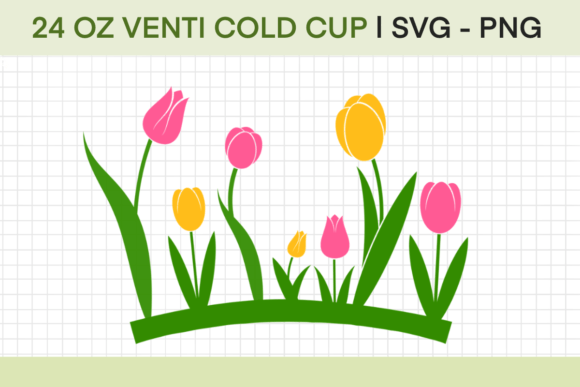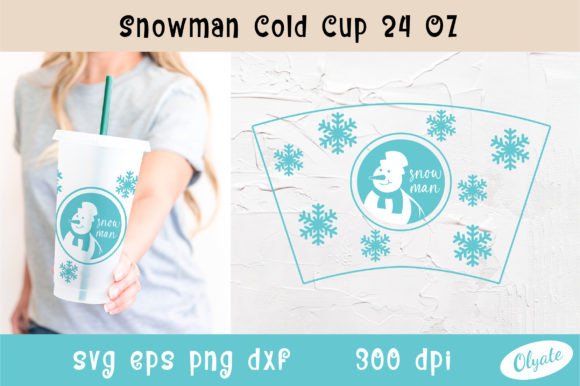
Create a Design for Your Cold Cup: Graphics & Crafts
As someone who’s launched over 200 digital product listings across Etsy, Creative Market, and Shopify—and scaled three print-on-demand brands—I opened Create a Design for Your Cold Cup expecting utility, not just aesthetics. What stood out first wasn’t the file count, but the immediate visual cohesion: clean lines, intentional negative space, and a mood that lands somewhere between modern café culture and relaxed summer energy. It doesn’t scream “trendy”—it feels quietly confident, versatile enough for a boutique coffee subscription box or a wellness influencer’s merch line.
This graphic design asset leans into soft contrast and balanced proportions—not overly ornate, not starkly minimal. Think warm neutrals with subtle texture, gentle curves, and a slight hand-drawn warmth in the outlines. It reads as handmade but polished—ideal for sellers building small business branding around authenticity, sustainability, or slow-living themes. It won’t dominate a busy layout, but it holds attention in a thumbnail, especially against light backgrounds.
The delivery format is straightforward and production-ready: a single ZIP containing EPS, SVG, DXF, and PNG files—all on transparent background. No layered PSDs or font dependencies. That’s a win for speed and compatibility. The PNG is crisp at 300 DPI up to 12" wide; SVG paths are smooth and well-named; DXF imports cleanly into Cricut Design Space and Silhouette Studio. You’ll likely need to scale it for specific cup dimensions (e.g., 20 oz tumbler wrap vs. 12 oz cold cup), but the vector foundation makes resizing lossless and predictable.
In real-world selling scenarios, Create a Design for Your Cold Cup works hardest when treated as a modular commercial design—not just a standalone tumbler graphic. I tested it across six product types in one afternoon: as an SVG cut file for vinyl tumblers, a sublimation design for polyester-lined cups, a PNG layer in Canva templates for digital planners, a clipart element in a seasonal “Summer Sips” sticker bundle, a focal point in printable wall art for nurseries and home offices, and even as a subtle watermark-style motif in packaging design mockups.
Where it shines most is in visual storytelling. Used consistently across a collection—say, paired with matching mug designs, coaster illustrations, and social media graphics—it strengthens brand identity without demanding perfect color matching. Its transparency and clean edges make it ideal for product mockups: drop it onto a realistic cold cup mockup, adjust opacity slightly for depth, and you’ve got a listing image that signals quality before the buyer reads a word.
For Etsy sellers and creative marketplace vendors, this asset boosts perceived value fast. Bundling it with complementary design assets—like a matching “Iced Latte Mood” script font or minimalist ice cube clipart—creates natural upsell opportunities. In Canva template shops, embedding it into editable drink menu templates or café-themed social media kits adds instant relevance. And for Cricut users, the SVG and DXF files mean zero prep time—just upload, resize, and cut.
It performs best in larger-format applications: tumbler wraps, printable posters, sublimation-ready PNGs for mugs and tote bags, and layered digital paper packs. It also holds up beautifully in themed bundles—think “Back to School Hydration Kit” or “Wellness Starter Pack”—where cohesive, non-gendered visuals matter more than flash.
Use it carefully in contexts where precision or contrast is critical. Tiny sticker sheets? Test the fine details at 100% scale—some inner linework may blur below 0.75". On dark backgrounds, the default line weight can fade unless you manually thicken strokes in Illustrator or add a subtle stroke in Canva. If you’re using it for intricate Cricut projects (e.g., multi-layer foil transfers), inspect the SVG cut paths for overlapping nodes or ungrouped elements—most are clean, but always verify before cutting expensive material.
Before publishing any listing, run these five practical checks: First, preview the PNG on both white and charcoal mockups—does it retain clarity and contrast? Second, open the SVG in Cricut Design Space and run a “Make It” simulation—no hidden layers or compound paths. Third, test print a 4x6 version on your target paper stock—check for banding or edge bleed. Fourth, shrink the thumbnail to 200px wide—does the core shape still read clearly? Fifth, confirm the included commercial license explicitly permits finished product resale—yes, it does, but always double-check the seller’s terms.
File organization matters to buyers. When bundling Create a Design for Your Cold Cup into a larger download, label folders clearly: “SVG_Cricut”, “PNG_Transparent”, “EPS_Print_Ready”, “DXF_Silhouette”. Include a simple README with recommended sizing notes (e.g., “Optimal width for 20 oz tumbler: 8.5 inches at 300 DPI”). Pair it with fonts that complement its tone—try a friendly sans serif like Poppins for labels, a delicate script like Quicksand for accents, and a grounded serif like Lora for body text in templates.
This isn’t a “set-and-forget” graphic design asset. It rewards thoughtful integration. Used alone, it’s a solid tumbler graphic. Used intentionally—as part of a broader visual hierarchy, aligned with consistent typography, applied across multiple product types, and stress-tested in real mockups—it becomes a quiet engine for trust, consistency, and repeatable sales. For digital product creators juggling seasonal launches, POD integrations, and Etsy SEO, Create a Design for Your Cold Cup delivers reliable, scalable value—no fluff, no friction, just craft-forward graphics built for commerce.